A new battery should feel like the easy answer when a car struggles to start. The old one gets replaced, the engine cranks better for a day or two, and everyone assumes the problem is solved. Then the slow crank comes back. Or worse, the car clicks once in a parking lot like nothing has changed.
That is frustrating, but it is also common. Starting problems do not always begin and end with the battery. The battery supplies power, but the starter, alternator, cables, terminals, grounds, ignition switch, relays, and even the vehicle’s computers can all affect whether the engine starts when you need it to.
A New Battery Can Hide The Real Problem For A While
A weak battery can absolutely cause starting trouble. If it is old, undercharged, or failing a load test, replacing it may be the right move. The issue is that a fresh battery can temporarily cover up another problem in the system.
For example, if the alternator is not charging properly, the new battery may start strong at first. After a few drives, it slowly loses charge because the charging system is not keeping up. If there is a bad cable connection, the battery may have plenty of power but still struggle to deliver it to the starter. That is why testing matters before assuming the battery was the only issue.
Loose Or Corroded Battery Cables
Battery cables have to move a lot of current during startup. A small amount of corrosion, a loose clamp, or a damaged cable can reduce power enough to cause a slow crank, a clicking sound, or a no-start condition. The battery may be new and fully charged, but the power is not reaching the starter cleanly.
Corrosion is not always obvious from above. It can hide under cable insulation or inside the terminal connection. A quick glance at the battery posts may not tell the whole story. During an inspection, the cables, terminals, and grounds should be checked for resistance, looseness, and damage.
The Alternator May Not Be Charging The Battery
The alternator’s job is to recharge the battery and power electrical systems while the engine runs. If the alternator is weak, the battery light may come on, the headlights may dim, or the accessories may act strangely. Sometimes there is no clear warning until the vehicle struggles to start again.
A new battery cannot stay healthy if the alternator is not doing its job. That is one reason starting problems return after battery replacement. Charging voltage and alternator output should be tested with the vehicle running. The belt and connections should also be checked because the alternator depends on them, too.
A Bad Starter Can Sound Like A Battery Problem
The starter is the part that turns the engine over. When it starts failing, it can create symptoms that look a lot like a weak battery. You may hear a single click, repeated clicking, grinding, or silence when you turn the key or press the start button.
Sometimes the starter works when it is cold, then acts up after the engine is hot. Other times, it fails randomly enough to make the problem hard to trust. Starter testing can include checking the power supply, ground, voltage drop, and current draw. Replacing the battery will not fix a starter motor that is worn internally.
Parasitic Battery Drain After The Car Is Off
A parasitic drain happens when something keeps drawing power after the vehicle is shut off. A glove box light, faulty module, stuck relay, aftermarket accessory, alarm issue, or electrical fault can slowly drain the battery while the car sits.
This can make drivers think they received a bad new battery. The car starts fine after charging, then goes dead again overnight or after a couple of days. Finding a drain takes patience because the vehicle has to be tested after systems go to sleep. A proper diagnostic can identify which circuit remains active.
Warning Signs That Signal The Battery Is Not The Only Problem
Starting problems often leave clues. Pay attention to patterns like these:
- The car starts after a jump, but dies again later
- A new battery goes dead after sitting
- The battery light comes on while driving
- You hear one click, but the engine does not crank
- The starter sounds slow, even with a charged battery
- Headlights dim heavily during startup
- The problem happens more when the engine is hot
These signs can point toward cables, charging issues, starter trouble, electrical drains, or voltage problems. Regular maintenance helps catch weak batteries and worn connections, but repeat starting trouble needs a deeper look.
Why Starting System Testing Saves Money
Replacing parts one at a time can get expensive. A battery, starter, and alternator can all be blamed for similar symptoms, but only one may be the real cause. Sometimes the issue is not a major part at all. It might be a loose ground, corroded terminal, or damaged wire.
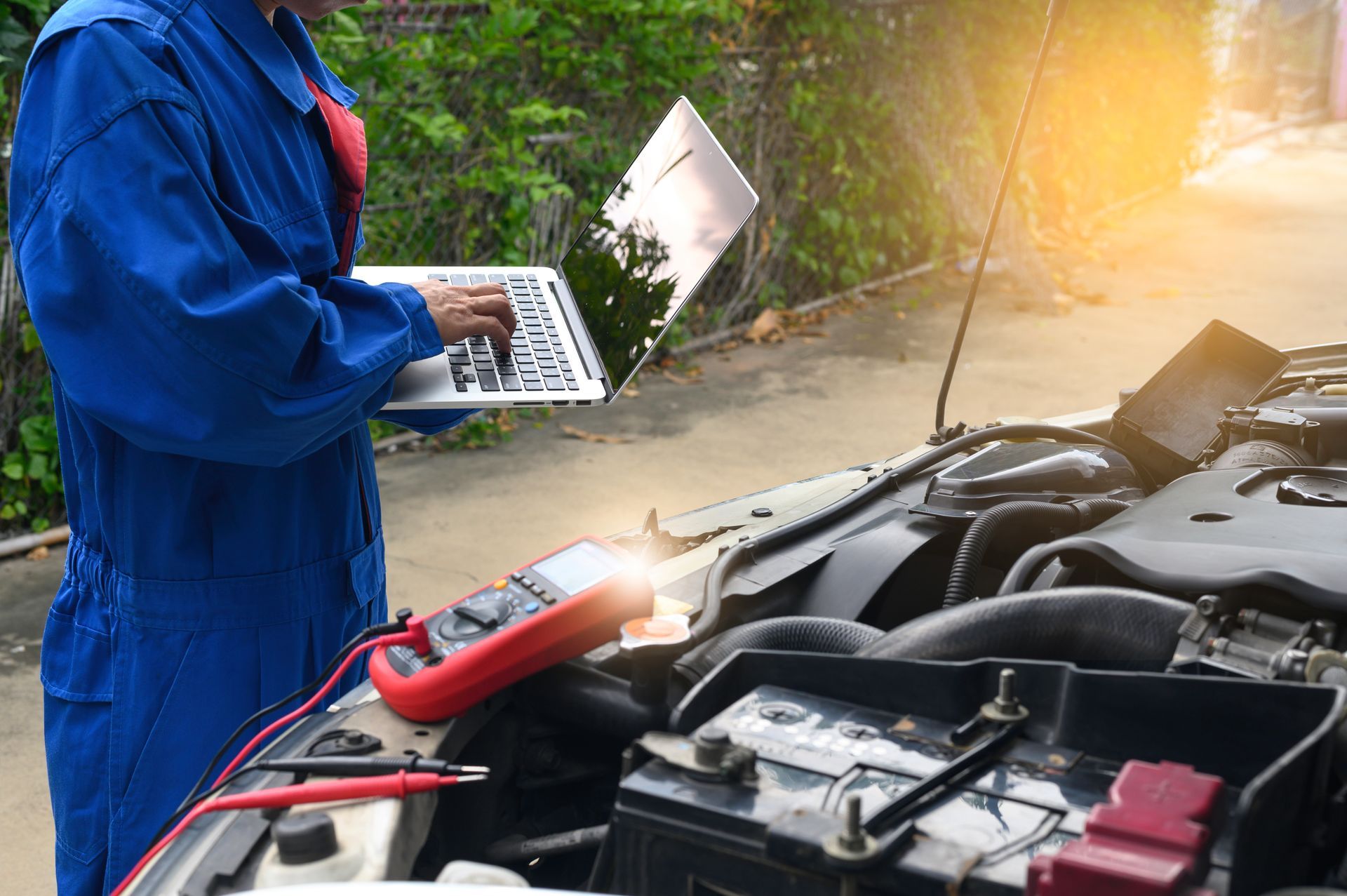
A starting and charging system test gives a clearer answer. The battery should be load tested. The alternator should be checked for charging output. The starter should be checked for current draw and voltage drop. Cables and grounds should be inspected under load, not just looked at from above.
Get Starting System Repair In Naples, FL, With Global Auto Care
If your car still has starting problems after a new battery, Global Auto Care in Naples, FL, can test the battery, starter, alternator, cables, grounds, and charging system to find the real cause.
To start system diagnostics before you get stranded again, contact us to schedule an appointment.