Brakes feel simple from the driver’s seat. You press the pedal, the car slows down, and you move on with your day. Underneath, though, several parts have to work together in the right order, with the right pressure, and without too much heat.
Stopping power is not one part.
It is the brake pads, rotors, calipers, fluid, hoses, hardware, tires, and suspension all doing their jobs simultaneously. When one piece wears out or sticks, the whole brake feel can change.
Brake Pads Create The Friction
Brake pads are the parts most drivers hear about first because they are designed to wear. When you press the brake pedal, the pads clamp onto the rotors and generate friction that slows the wheels. Every stop removes a little pad material.
Thin pads do not just make noise. They also have less material to handle heat. If left too long, the backing plate can contact the rotor and create that ugly grinding sound nobody wants to hear.
A squeal can be an early warning. Grinding is usually late. That is the difference between catching brake wear on your schedule and letting the brakes choose the timing for you.
Rotors Give The Pads A Surface To Grip
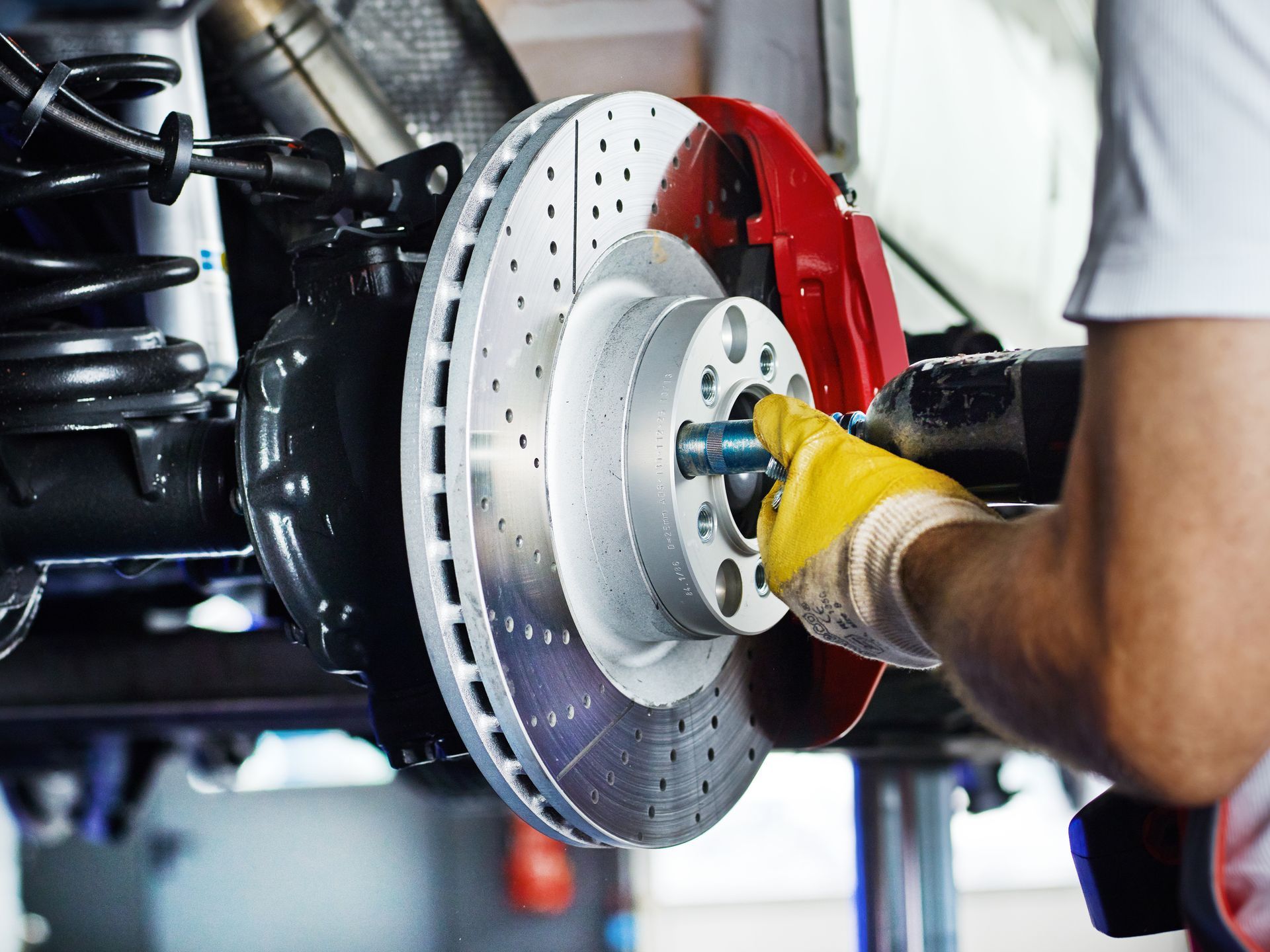
Rotors are the metal discs that the pads squeeze against. They need to be thick enough, flat enough, and clean enough to give the pads a consistent surface. When rotors get worn, grooved, rusted, overheated, or uneven, the brake pedal and steering wheel can tell you.
A warped rotor is what many drivers call it, but the real issue is often uneven thickness or pad material stuck unevenly on the rotor face. Either way, it feels like pulsing, shaking, or a vibration when slowing down.
Rotors take heat seriously. Long downhill braking, heavy traffic, towing, or a dragging caliper can all put too much heat into them. Once the surface is damaged, new pads alone may not feel right.
Calipers Do The Clamping
The caliper is what squeezes the brake pads against the rotor. It uses hydraulic pressure from the brake fluid to press the pads in, then it needs to release cleanly when your foot comes off the pedal.
A sticking caliper can cause plenty of trouble. One wheel may run hotter than the others. The car may pull while braking. One brake pad may wear much faster than the other. You might smell hot brakes after a normal drive.
We see this when slide pins dry out, caliper pistons stick, or brake hoses start trapping pressure. The brake may still work, but it may not release the way it should. That is hard on pads and rotors and on fuel economy.
Brake Fluid Transfers The Force
Brake fluid is what moves force from your foot to the brakes at the wheels. It sounds boring until it gets old. Brake fluid absorbs moisture over time, and moisture lowers its boiling point. That can affect pedal feel when the brakes get hot.
Old fluid can also encourage corrosion inside the hydraulic system. That means calipers, master cylinders, ABS components, and brake lines can all suffer over time. This is why regular maintenance should include brake fluid checks, not just a quick look at pad thickness.
A soft pedal, low pedal, or pedal that changes after repeated stops deserves attention. That is not something to talk yourself into living with.
What Poor Stopping Power Feels Like
Weak stopping power does not always show up as a total brake failure. Most of the time, the signs are smaller and easier to miss at first.
- Longer stopping distance
- Pedal feels soft, low, or spongy
- The steering wheel shakes while braking
- The car pulls to one side during stops
- Hot smell near one wheel
- Grinding, squealing, scraping, or clicking noises
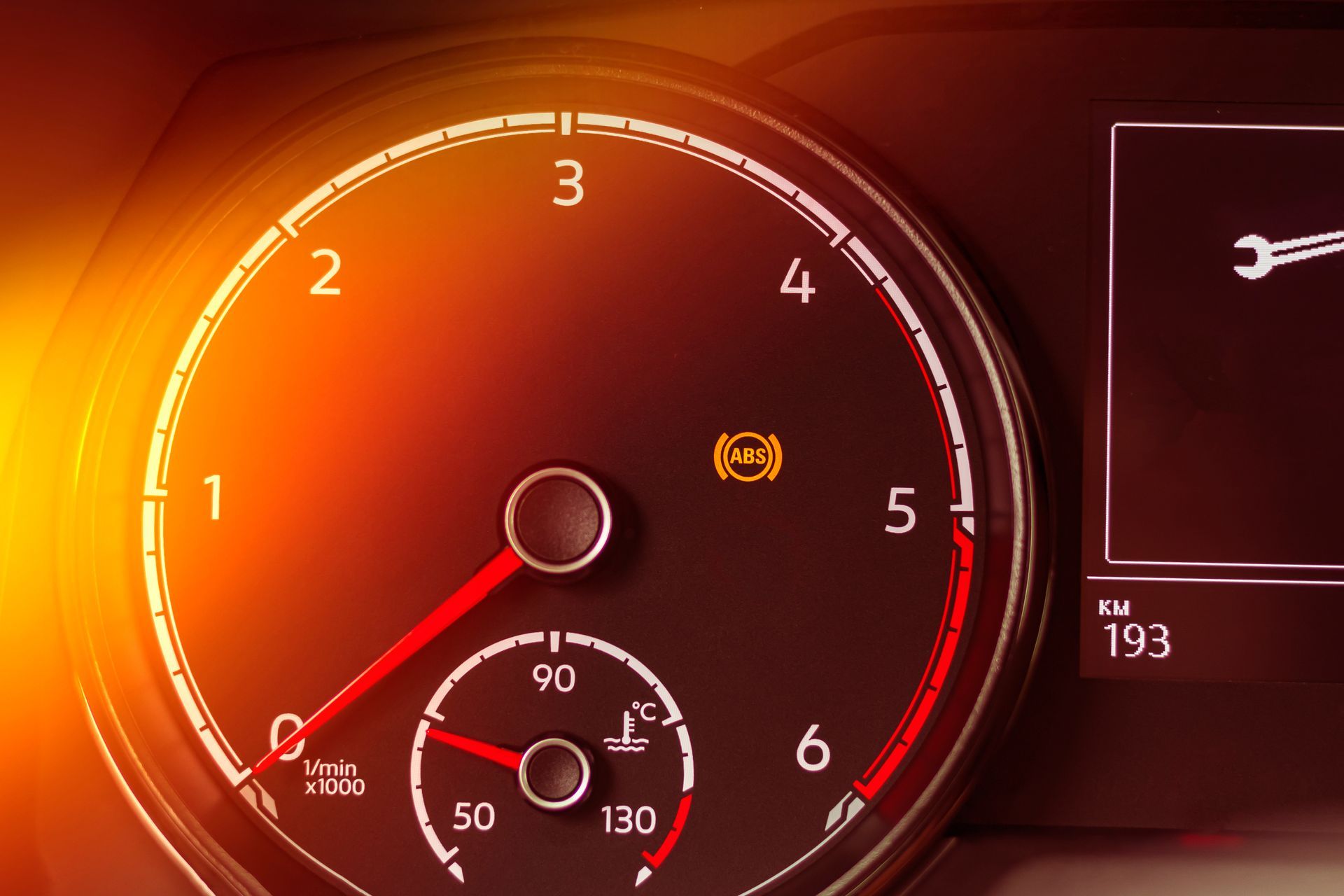
- Brake warning light on the dashboard
Those clues help narrow the problem. A pull may point toward calipers, tires, alignment, or suspension. A pedal pulse may point toward a rotor condition. A soft pedal may point toward fluid, air, leaks, or hydraulic wear.
The symptom matters, but the pattern matters more.
Why Tires And Suspension Affect Braking
Brakes slow the wheels, but tires stop the car. If the tires are worn, underinflated, cupped, or unevenly worn, the brakes have less grip to work with. You can have strong brakes and still stop poorly on weak tires.
Suspension plays a role, too. Worn shocks, struts, bushings, or loose steering parts can cause the tires to move during braking. That can make the car feel nervous, especially on rough pavement or during a quick stop.
A good brake inspection should not ignore the parts around the brakes. If the car shakes, pulls, or feels unstable while stopping, the answer may involve more than pads and rotors.
Get Brake Service In Naples, FL, With Global Auto Care
If your brakes squeal, grind, shake, pull, smell hot, or just do not feel as strong as they should, Global Auto Care in Naples, FL, can check the pads, rotors, calipers, fluid, tires, and related parts.