A whistling noise under the hood usually comes from one of two things: air being pulled through a small gap, or a rotating part making a high-pitched sound as it spins. The tricky part is that both can sound similar from the driver’s seat, especially with the windows up. What matters is when it happens, at idle, on acceleration, during braking, or only with the A/C on.
That timing is your best clue.
Why Whistling Happens Under The Hood
A whistle is basically a tiny air horn. When air rushes through a narrow opening, like a cracked hose or a loose gasket, it can create a sharp, steady tone. The pitch often changes with engine speed because airflow changes the moment you touch the throttle.
Rotating components can whistle too, especially when bearings get dry or a belt slips across a pulley. That sound tends to rise and fall with RPM in a very direct way. This is why regular maintenance checks under the hood can prevent a small noise from turning into a breakdown later.
Vacuum Leaks And Intake Hoses
If the whistle is strongest at idle and softens when you rev the engine, a vacuum leak is one of the first places to look. Engines pull strong vacuum at idle, so even a small crack in a hose can pull air hard enough to whistle. Common leak points include small vacuum lines, intake boots, PCV hoses, and gaskets around the intake manifold or throttle body.
A vacuum leak often brings other signs along with it. Idle may feel a little unstable, RPM can sit higher than normal, and the engine can run lean enough to trigger a check engine light. In our experience, a loose intake clamp or a split rubber boot is one of the most common, straightforward causes because it changes the airflow without leaving any obvious fluid leak.
Belt Slip And Noisy Pulleys
A belt that’s slipping can make a high-pitched squeal that some drivers describe as a whistle, especially on a cold start. The sound typically changes when electrical load increases or when the A/C turns on, because the belt suddenly has more work to do. If the noise appears right when you start the car, then settles down as the engine warms up, the belt and pulleys deserve a close look.
Idler pulleys, tensioners, and accessory bearings can also whistle when they start wearing out. That noise can be steady at certain RPM, then disappear above or below that range. A quick visual check helps, but the real confirmation comes from listening at the source and checking for wobble or roughness in the pulleys.
PCV And Brake Booster Leaks That Sound Like Whistling
PCV system leaks can create a focused whistle because they sit right in the engine vacuum stream. A stuck PCV valve or a cracked PCV hose can pull air fast enough to whistle, and it can also contribute to oil seepage or a rough idle. The whistle may be more noticeable at idle, then change as you accelerate and crankcase flow shifts.
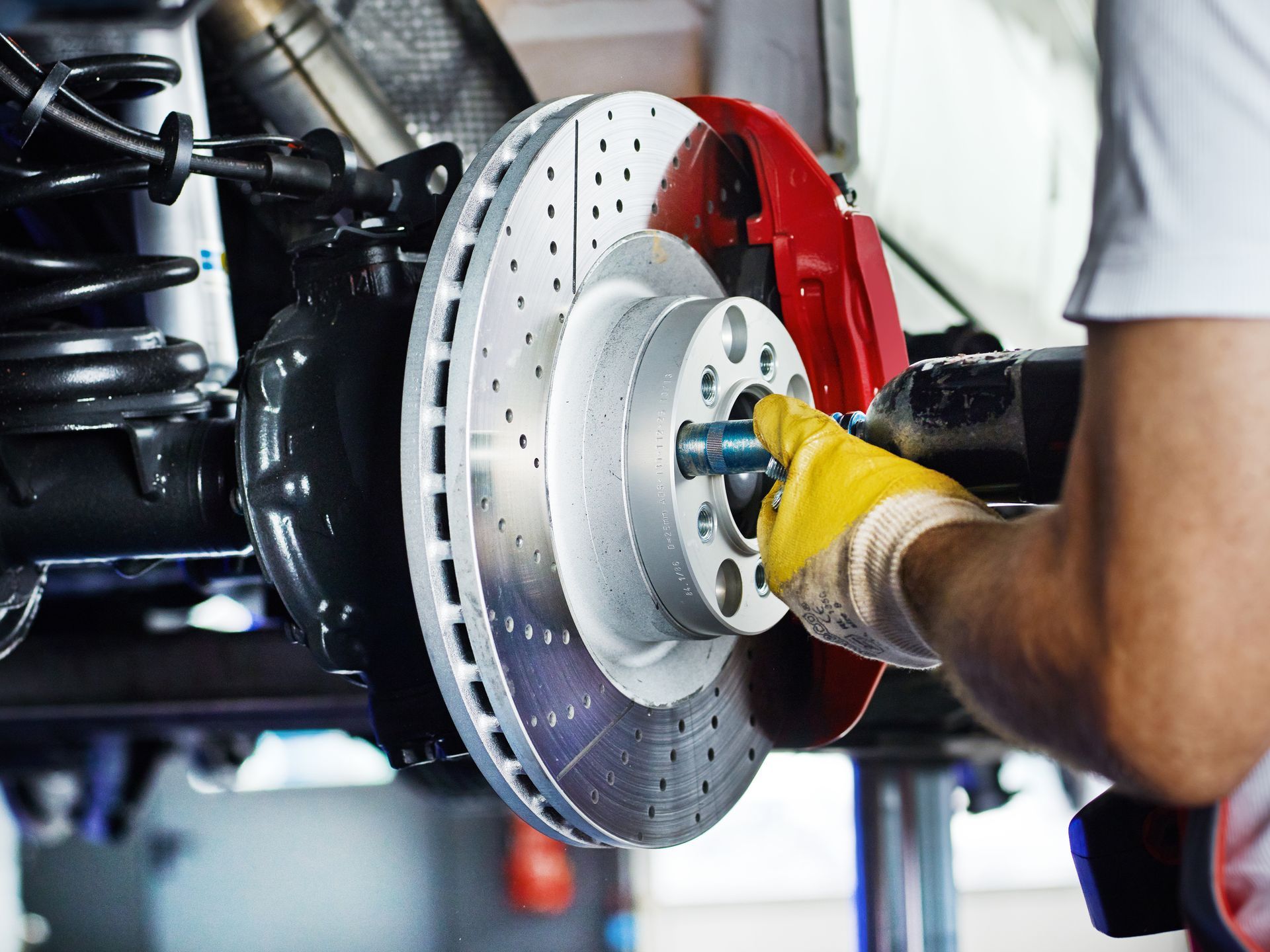
Brake booster leaks have their own pattern. If you hear the whistle mostly when pressing the brake pedal or right after releasing it, that points toward a booster diaphragm or the vacuum hose feeding it. The pedal can also feel slightly harder than normal if the booster isn’t holding the vacuum the way it should.
Turbo And Charge-Air Leaks On Boosted Engines
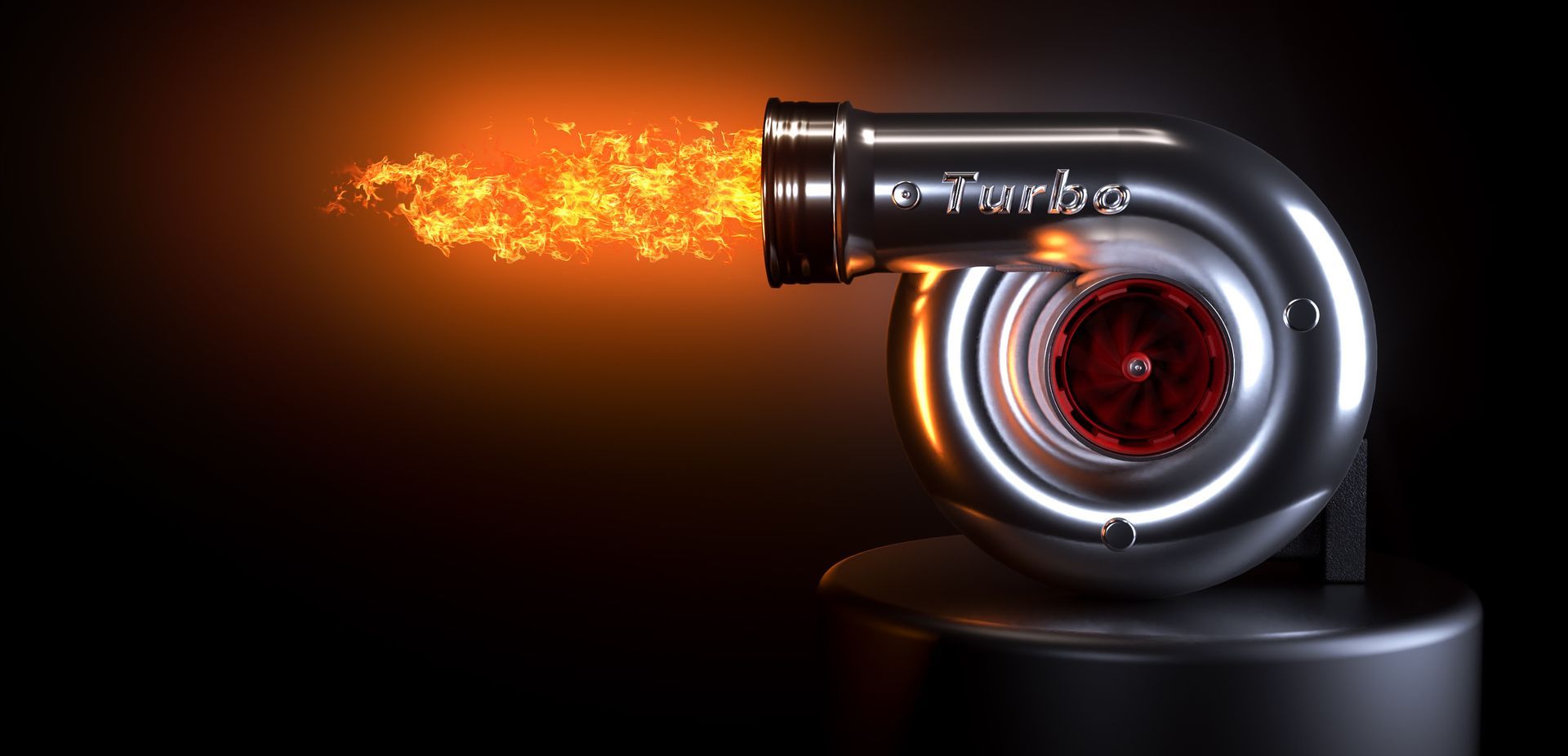
On turbocharged vehicles, a whistle that shows up mainly during acceleration often traces back to boost pressure escaping. A small split in a charge pipe coupler, a loose clamp, or a leaking intercooler connection can whistle as pressurized air squeezes through the opening. This usually gets louder with throttle, because boost rises as load rises.
A boost leak can also change how the car drives. You might notice weaker pull, inconsistent acceleration, or higher turbo noise without the matching power. These leaks are usually visible once the system is checked carefully, and a pressure test makes the leak point obvious instead of relying on guesswork.
Safe Checks That Help Narrow It Down
You can gather useful info without taking anything apart. Start by listening for when it happens and whether it changes with the A/C, braking, or a quick blip of the throttle. Then do a careful visual look for anything loose, cracked, or out of place.
Here are a few safe, practical checks:
- Look for cracked rubber hoses, especially small vacuum lines near the intake
- Check intake tubing clamps for looseness and signs of air or dust trails
- Watch whether the noise changes when the A/C is switched on
Note if the sound appears when pressing the brake pedal at a stop
If the whistle persists, an inspection is the fastest way to pinpoint the exact source without replacing parts blindly.
Get Whistling Noise Repair In Naples, FL With Global Auto Care
If you’re hearing a whistle under the hood, the next step is to locate whether it’s an air leak, a belt drive issue, or a vacuum-related problem, and then correct the source so it stays fixed.
Schedule your service or visit
Global Auto Care in Naples, FL, when you want a clear answer and a quiet engine bay without issues.