A fuel nozzle seems simple until it clicks off at the perfect moment or stops too early and slows your fill. That click is not guesswork. It is a small air passage, a vacuum signal, and a spring-loaded latch all working together. Understanding the basics helps you avoid splashback, finish faster, and spot when the issue is the pump or your vehicle.
What The Nozzle Is Watching
Near the tip of every nozzle is a tiny sensing port. While fuel flows, air moves past that port and up a slim tube inside the handle. As long as the port “breathes” air, the handle will continue to deliver fuel. When rising gasoline covers the port, air movement changes. That change is the nozzle’s cue that the filler neck has reached the designed level.
The Venturi Vacuum That Triggers Shutoff
Inside the handle, the rushing fuel passes through a narrowed passage that creates a Venturi vacuum. That vacuum constantly samples the sensing tube. The moment liquid blocks the port, the vacuum spikes and pulls a small diaphragm. The diaphragm trips a latch, and the trigger snaps shut. That crisp click is a mechanical reaction to a pressure change, not a timer or a guess.
Why The Pump Clicks Off Too Early Sometimes
Early shutoffs are common and usually not a failure. Foam can briefly cover the sensing port and trick the nozzle into stopping. A twist in the filler neck or an awkward insertion angle can push liquid against the port sooner than it should. Very fast flow rates make foaming worse. Slowing the pump one notch and supporting the nozzle so the tip points slightly upward often restores a normal fill.
How Your Car’s Evap System Affects Refueling
Modern vehicles use Onboard Refueling Vapor Recovery to route gasoline vapors to a charcoal canister instead of back into the air. During a fill, vapors must escape quickly through vent lines. If the canister is saturated or a vent hose is pinched, vapor cannot move out. Pressure builds in the filler neck, foam surges, and the nozzle sees a “full” signal far too soon.
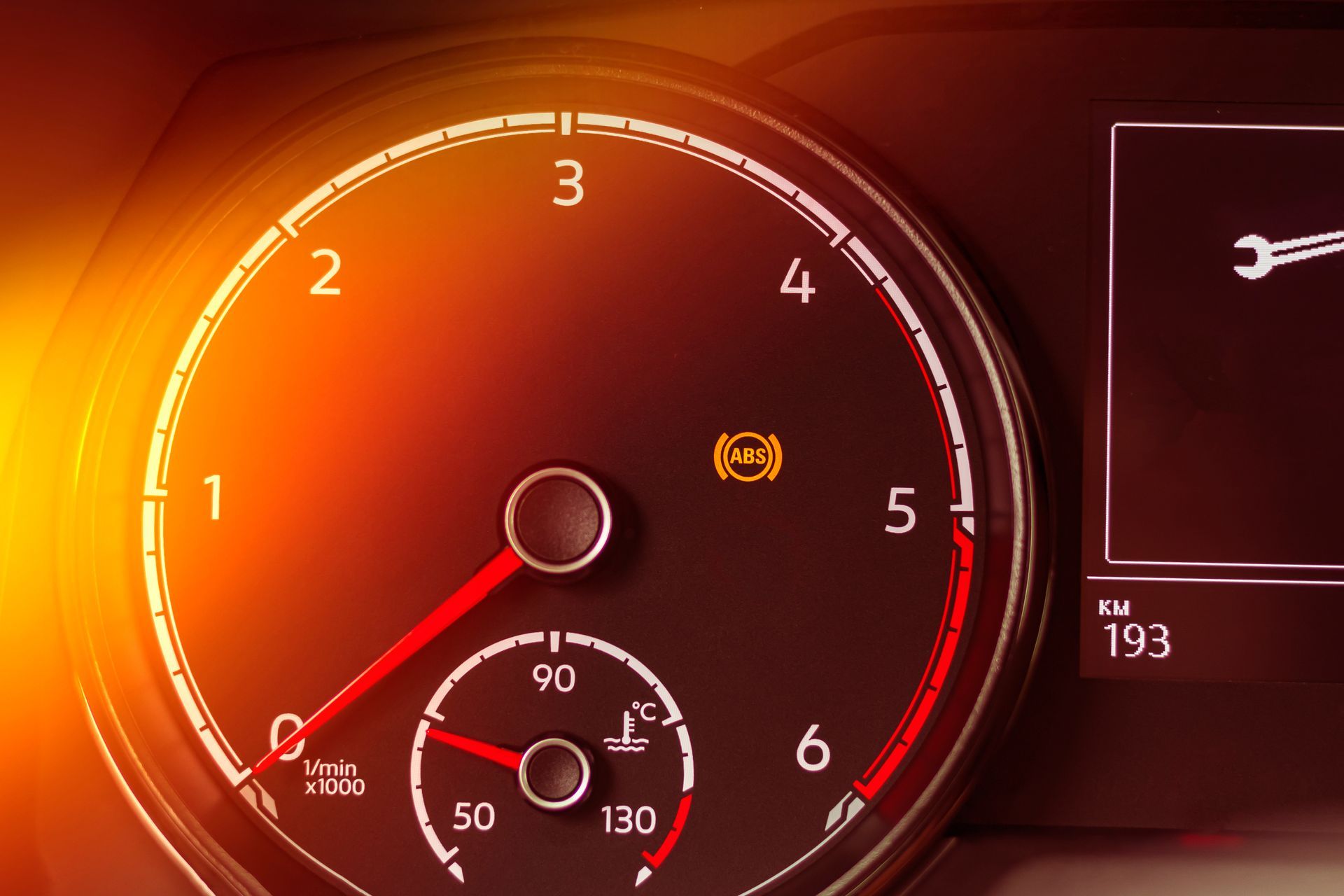
Repeated early shutoffs at every station, a strong fuel smell after fill-ups, or a check engine light for evap codes are signs the venting system needs attention.
Best Practices For Fast, Clean Fill-Ups
- Insert the nozzle fully and support it so the tip is slightly upward, helping foam move away from the sensing port.
- Choose the middle flow setting when available to reduce foaming and splashback.
- Stop at the first automatic click. Topping off forces liquid into vapor lines and the canister, which can cause rough running and fuel odors.
- If the pump clicks off immediately, rotate the nozzle a few degrees or pull it back a half inch and try again.
Simple Clues That Call For A Technician
If every fill is slow, the pump stops repeatedly at all stations, or you notice fuel odors after refueling, the vehicle is asking for an evap system check. A smoke test can confirm vent line integrity, and a quick evaluation of the purge valve, canister, and filler neck reveals the restriction that is confusing the nozzle.
Catching the cause early prevents canister damage and keeps dashboard lights off.
Get Quick, Mess-Free Refueling With Global Auto Care In Naples, FL
If your car is hard to fill, the pump keeps clicking off, or you smell fuel after a stop at the station, our team can find the real cause. We test venting and purge flow, inspect the charcoal canister and filler neck, and verify the system breathes the way it should so the nozzle shuts off right on time.
Schedule a visit with
Global Auto Care
in Naples, FL, and make every fill-up fast, clean, and trouble-free.