A brake pedal can feel wrong before you hear any noise. It might take more travel than usual, feel soft, or feel harder than you expect. Even a small change like that can mess with your confidence because you rely on the brakes every single drive.
The good news is that an off-feeling pedal usually follows a pattern. If you can describe what it feels like and when it started, you can make a diagnosis much faster. Below are six common causes and the cues that help point in the right direction.
1. Low Brake Fluid Or A Leak Starting Somewhere
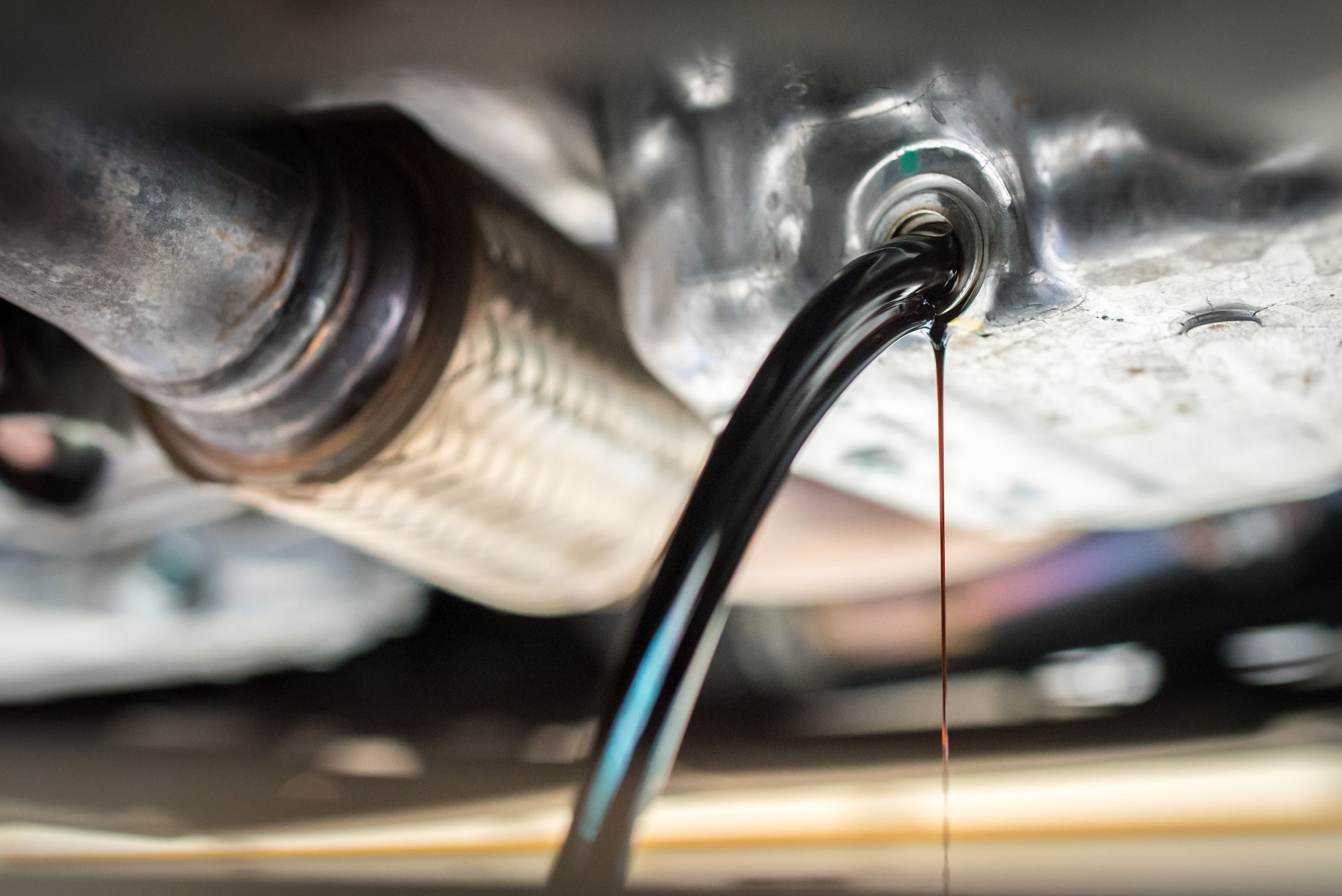
Brake fluid does not get used up like washer fluid. If the level is dropping, something is going on. Sometimes it drops because the brake pads are worn and the caliper pistons sit farther out. In other cases, you have an actual leak.
A leak can show up as dampness near a wheel, wet spots on the inside of a tire, or fluid streaks on suspension parts. You might also notice the brake pedal gradually sits lower or feels less firm over a few days. If the brake warning light comes on, treat it as a priority and get it checked right away.
2. Air In The Brake Lines
Air compresses, brake fluid does not. That is why air in the lines creates a soft or spongy pedal. This can happen after brake service if the system was not bled completely. It can also happen if a leak allows air to enter.
Some drivers notice the pedal feels better after one quick pump. That is a clue that air may be present, but pumping is not a fix. The right solution is bleeding the system properly and confirming why the air got into it in the first place.
3. Brake Pads Or Rotors Overheated
Overheating can change how brakes feel. Repeated hard stops, riding the brakes downhill, or long stop-and-go driving can overheat pads and rotors. When pads get too hot, the surface can glaze and lose bite. That can make stopping feel less responsive, even though the pedal travel feels normal.
You might notice a sharp hot smell after parking. Braking can also feel inconsistent for a while, then improve once everything cools down. If this is happening, it is smart to inspect the pad condition and rotor surfaces before the problem becomes vibration or scoring.
4. A Sticking Caliper Or A Brake Hose That Is Not Releasing Pressure
A sticking caliper can keep one pad from dragging on the rotor. That can change pedal feel and often causes extra heat on one corner. A brake hose can also create trouble if it restricts fluid return. In that case, the brake applies normally but does not release fully.
Here are signs that point in this direction:
- One wheel produces much heavier brake dust than the others
- The vehicle feels less willing to coast after you lift off the gas
- You smell something hot near one wheel after a short drive
- The car pulls slightly to one side, especially after driving a while
If you notice heat or pulling, avoid long drives until the brakes are inspected.
5. Rotor Surface Problems That Create Pulsation
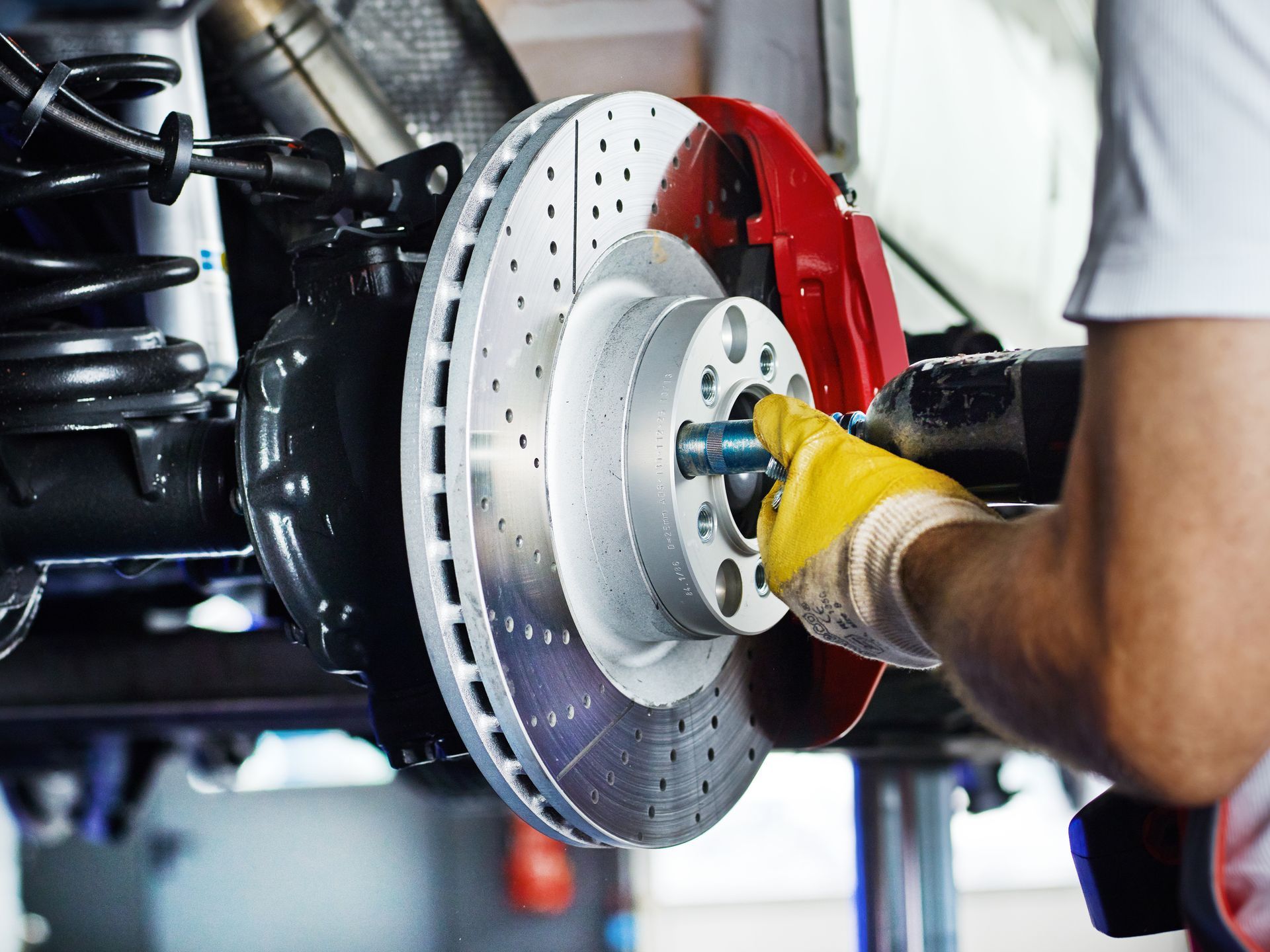
If the pedal pulses or pushes back rhythmically during braking, the rotor surface may be uneven. People often call these warped rotors, but there can also be uneven pad deposits on the rotor face. Either way, the braking force becomes inconsistent and you feel it in the pedal.
This often shows up more at higher speeds. It can also start after heavy braking or after pads were replaced without addressing rotor condition. If it is getting worse over time, that is a sign that the surfaces are not wearing evenly.
6. ABS Activating Too Easily Or ABS Sensor Signal Issues
ABS is designed to pulse brake pressure when a wheel is about to lock. When it activates, the pedal can chatter or feel like it is vibrating. That can be normal during a hard stop or on slick roads. It is not normal if it happens during gentle braking on dry pavement.
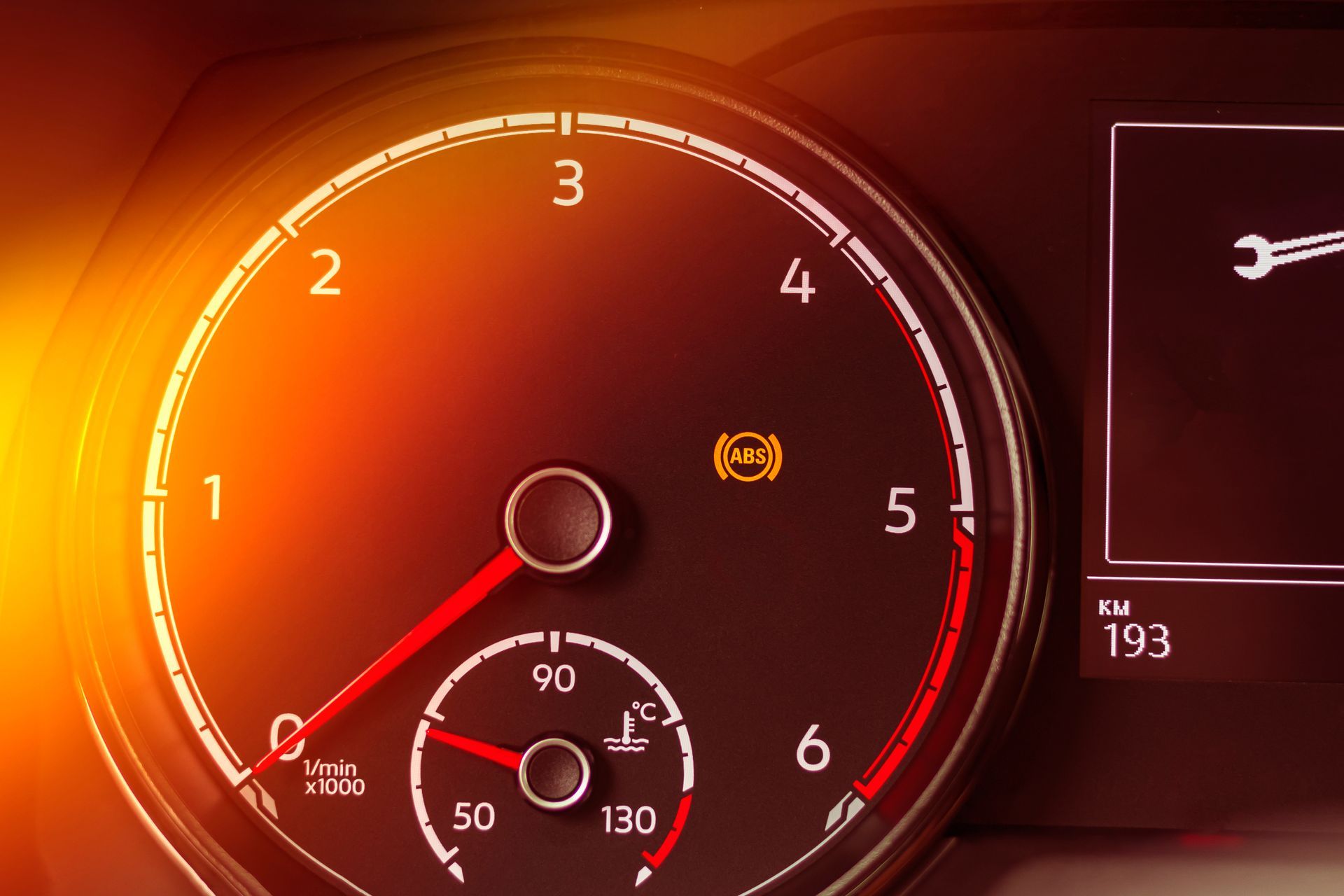
If ABS activates too easily, a wheel speed sensor may be dropping out or sending inconsistent data. A worn wheel bearing can also interfere with sensor readings. If you see an ABS light or traction control light along with the odd pedal feel, the diagnostic should include scanning codes and comparing wheel speed data.
What To Tell Us So We Can Diagnose It Faster
If you can, note whether the pedal feels soft, low, hard, or pulsing. Also note whether it changes after the car warms up, after a long drive, or after sitting overnight. Even small details help our technicians narrow the cause quickly and avoid unnecessary parts.
Get Brake Pedal Inspection in Naples, FL, with Global Auto Care
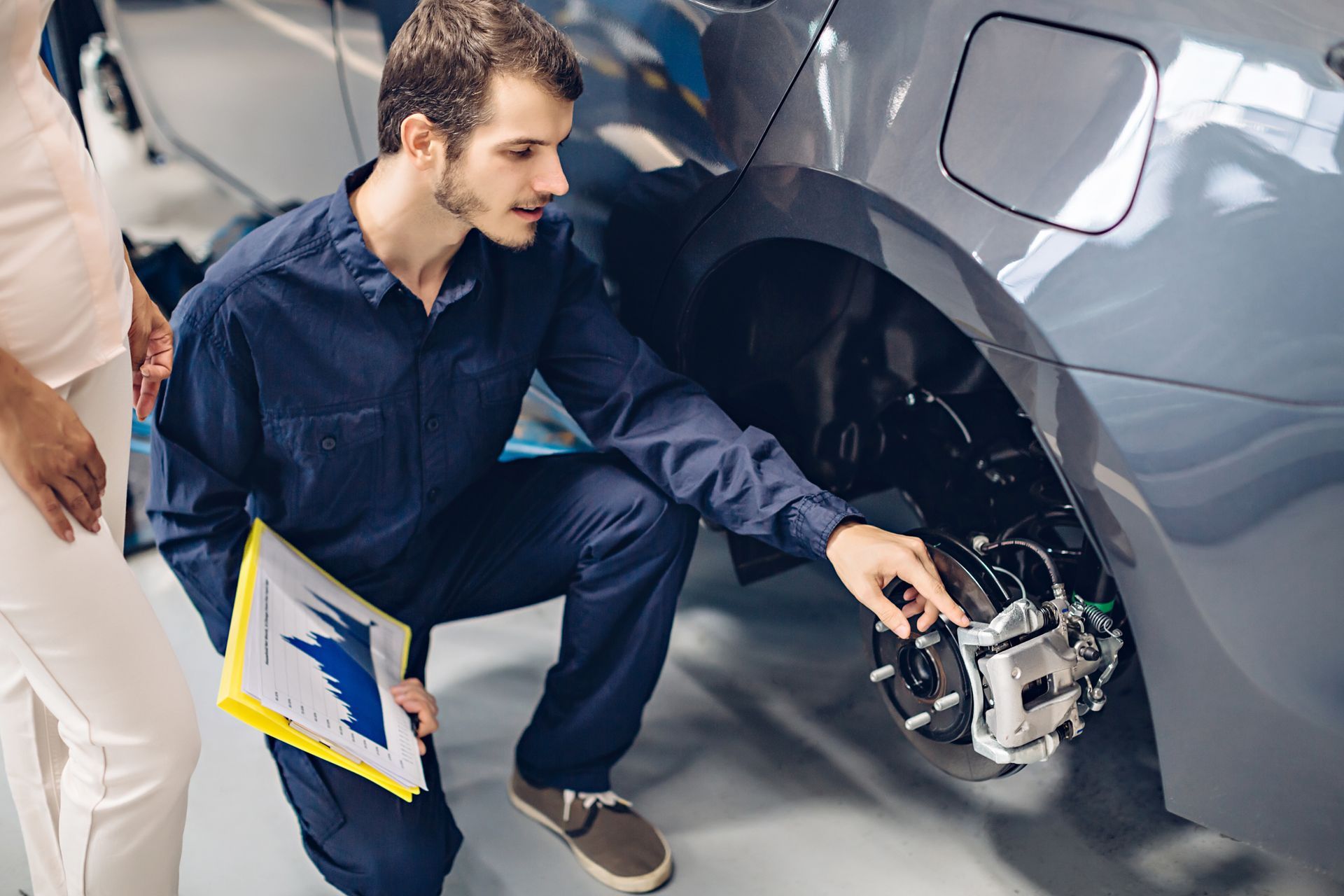
We can inspect your brake system, pinpoint why the pedal feels off, and confirm whether the issue is fluid loss, air in the lines, caliper drag, rotor surface problems, or ABS-related behavior. We’ll explain what we find and recommend a repair plan that fits the actual cause.
Call
Global Auto Care in Naples, FL, to schedule a brake inspection and get back to braking with confidence.